
Key takeaways
- Drive-up container storage lets you park right next to your unit and load directly, which is faster and often cheaper per square foot than indoor self storage.
- UK self storage rental returns averaged £26.23 per sq ft in the latest SSA UK Annual Industry Report, while container storage tends to undercut this because of lower build and running costs.
- Around 37% of UK self storage stores are container-based, reflecting how established and mainstream this format has become.
- York Storage offers 20ft x 8ft x 8ft drive-up containers (160 sq ft floor area) at £140 per month with a 2 month minimum, 24/7 access and monitored CCTV.
- Good packing, moisture control and realistic expectations about what can be stored make a big difference to how well a container works for you.
What is drive-up container storage?
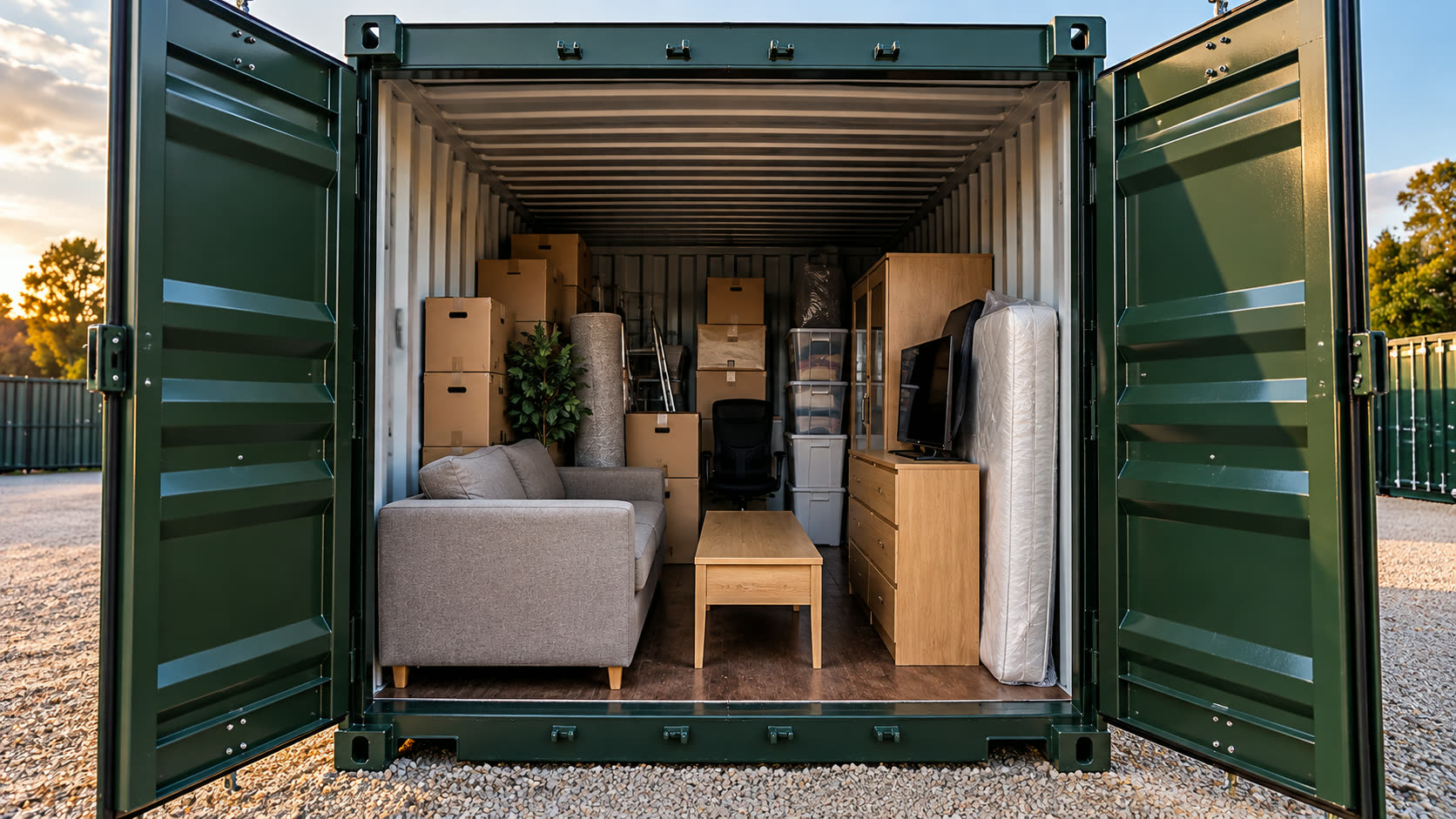
Drive-up container storage uses converted steel shipping containers, typically 20ft or 10ft in length, arranged in a yard so that each one can be accessed directly by vehicle. Instead of wheeling items through a warehouse corridor and into a lift, you simply drive or reverse up to your own container door and load straight in.
This format sits alongside traditional indoor self storage as one of the two main ways storage operators in the UK deliver space to customers. Containers are usually sited in an open or semi-open yard, each with its own lock, and are rented much like a small garage or outbuilding.
The format has grown steadily because it is cheaper to install than a purpose-built indoor facility, quick to deploy on a site, and well suited to bulky or awkward items that are harder to move through an indoor building.
Containers are also flexible for the operator, which is part of why supply has grown so quickly. A yard can be expanded container by container as demand rises, without the planning and construction timelines associated with a new indoor warehouse. For customers, that often translates into more availability and competitive pricing in areas where land is relatively inexpensive, such as rural or semi-rural sites just outside towns and cities.
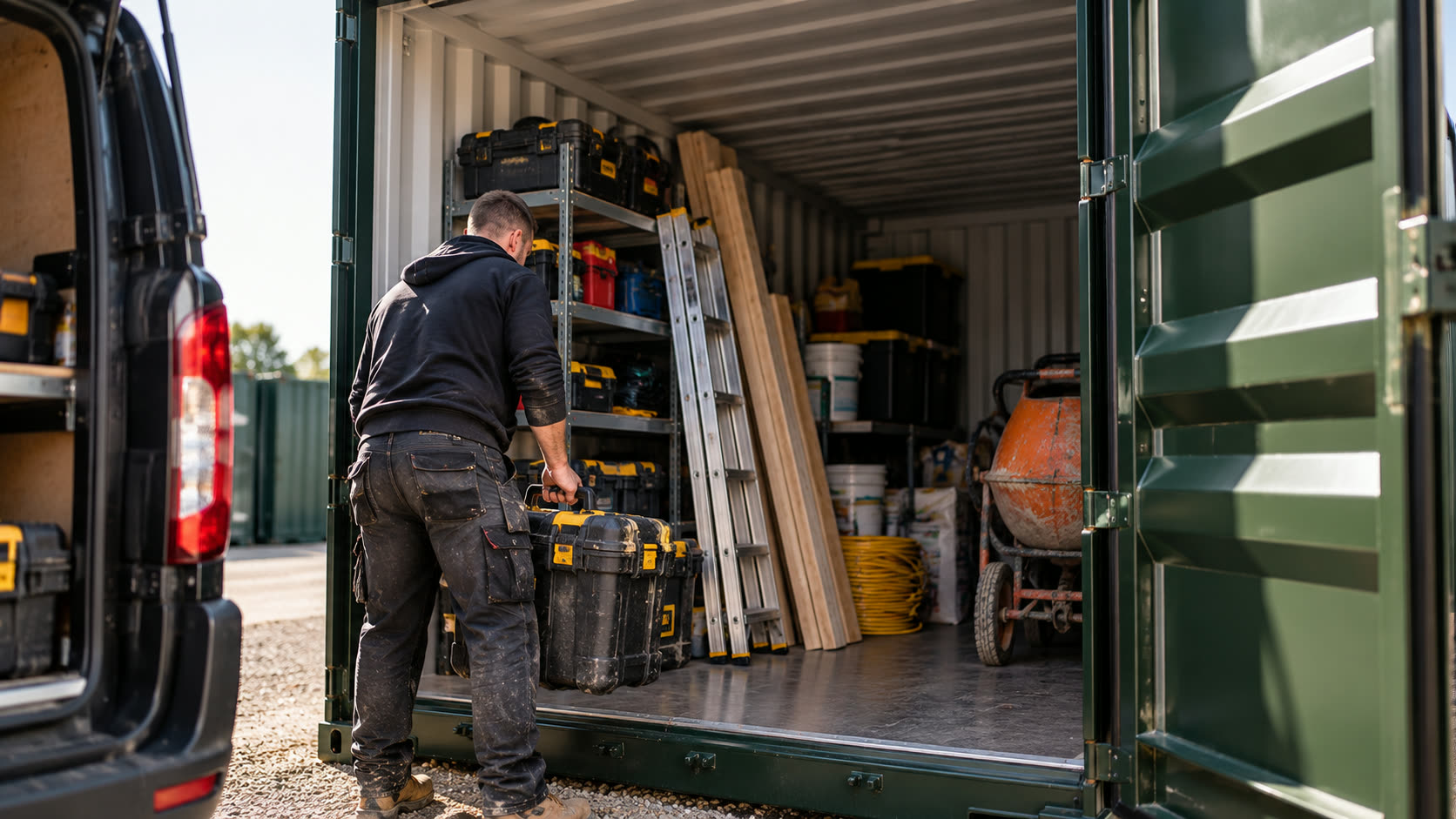
Many people first encounter drive-up containers when moving house, decluttering, running a small business that needs extra stock space, or storing tools and equipment for a trade. Because the containers are individually lockable and sit in their own yard space, they also work well for anyone who simply wants a private, secure spot for belongings without sharing a building with other tenants.
Drive-up containers vs indoor self storage
Both formats do the same basic job, but the practical experience of using them is quite different. Indoor self storage usually offers a climate-controlled building with corridors, trolleys and a reception desk, while drive-up container storage is more like renting your own lock-up in a yard.
Where drive-up containers tend to win
- Direct vehicle access to the door, so no carrying items through corridors or lifts
- Faster loading and unloading, especially for bulky furniture, tools, stock or building materials
- Often a lower cost per square foot than indoor units of an equivalent size
- Well suited to items that are already weatherproof or boxed, such as tools, vehicles parts, garden equipment and trade stock
- Simple, transparent layout with no need to navigate a large building
Where indoor self storage tends to win
- Better protection from wind, driving rain and temperature swings for very sensitive items
- Trolleys, lifts and indoor corridors can make it easier to move small, fiddly loads
- May suit customers who prefer a staffed reception and a fully enclosed building
It is also worth thinking about how often you expect to visit your storage space. If you anticipate frequent trips to drop off or collect items, perhaps because you run a small business or are in the middle of a house move, the ability to drive right up to the door and load the boot or back of a van within a minute or two can save a considerable amount of time over weeks or months of visits.
How much does drive-up container storage cost in the UK?
Self storage pricing varies by region, demand and unit size, but the SSA UK Annual Industry Report gives a useful national benchmark. The latest report recorded an average UK rental return of £26.23 per sq ft per year across all self storage formats, up around 1% on the previous year.
Container storage generally comes in below this blended average because containers are cheaper to install and maintain than a purpose-built indoor facility, and that saving is often passed on through lower rents.
| Format | Typical cost driver | Notes |
|---|---|---|
| Indoor self storage unit | ~£26.23 per sq ft/year UK average | SSA UK Annual Industry Report 2024 |
| Drive-up container (York Storage) | £140 per month for a 160 sq ft container | Works out at roughly £10.50 per sq ft/year |
| Commercial yard space (York Storage) | From £250 per month | Subject to permitted use |
At York Storage, a 20ft x 8ft x 8ft drive-up container gives you 160 sq ft of floor area for £140 per month, with a 2 month minimum stay. That works out at a per-square-foot cost well below the national self storage average, reflecting the efficiency of the container format. Commercial yard space is also available from £250 per month, subject to permitted use.
It is useful to compare any quote on a like-for-like basis, working out the cost per square foot per month rather than just looking at the headline monthly figure. A larger container at a slightly higher monthly rate can sometimes offer better value per square foot than a smaller unit, so it pays to check the floor area alongside the price before deciding what to book.
What affects the cost of a storage container?
A number of factors influence what you will pay for drive-up container storage, and it is worth understanding these before comparing quotes from different providers.
- Container size, usually quoted in length such as 10ft or 20ft, which determines the floor area you get
- Location, with rural and out-of-town sites typically cheaper than city centre facilities
- Minimum rental period, since some providers set a minimum term such as one or two months
- Access arrangements, including whether access is available around the clock or only during set hours
- Security features on site, such as CCTV, lighting and lock boxes
- Demand and occupancy, since UK occupancy rates have been around 77.5% to 80% in recent years, and tighter supply can push prices up
Industry-wide, storage space per head of population in the UK has been rising, reaching around 0.89 sq ft per person, which reflects continued investment in both indoor and container-based capacity across the country.
The average UK self storage occupancy rate sits at around 77.5%, having eased back slightly from previous years. When occupancy is high in a particular area, availability of the exact size you want can be limited, so it is sensible to enquire a little ahead of when you actually need the space, particularly around common moving periods such as the summer months and the turn of the academic year.
Packing and loading a drive-up container
Getting the most out of a drive-up container comes down to planning the load before you arrive, not just stacking boxes as you go. A little preparation makes loading quicker and protects your belongings.
Before you load
- Make a rough plan of what goes in first, middle and last, based on what you will need to access again soonest
- Dismantle large furniture such as bed frames and tables where possible to save space
- Use uniform, stackable boxes rather than mismatched bags and loose items
- Wrap soft furnishings and mattresses in protective covers before loading
Loading the container
- Load heavy, sturdy items first, at the back of the container, and lighter or fragile items last, nearer the door
- Leave a narrow central aisle if you expect to need access to items throughout your storage period
- Stack boxes by weight, heaviest at the bottom, and keep stacks stable rather than overloaded
- Use pallets or wooden battens under items placed directly on the floor to keep them clear of any moisture
- Store items you may need at short notice near the door, and label boxes clearly on the side facing the aisle
It also helps to think about the order in which you will eventually need to retrieve items, not just how you load them in. If you are storing for a house move, for example, put kitchen boxes and everyday essentials near the door so the first things you unload at the other end are the things you need straight away, rather than digging through months of stored belongings to find them.
Preventing condensation in a storage container
Condensation is one of the most common concerns with container storage, since a sealed metal box can experience temperature swings between day and night that cause moisture to form on the inside surfaces. The good news is that this is manageable with the right container design and some simple precautions.
York Storage containers are vented and have insulated roofs, which is specifically intended to help reduce the build-up of condensation compared with a standard, unmodified shipping container.
Steps you can take yourself
- Avoid storing damp items, including furniture or boxes that have recently been outdoors in wet weather
- Use raised pallets or shelving rather than placing boxes directly on the floor
- Leave a little space between stacked items and the container walls to allow air to circulate
- Consider moisture-absorbing products inside the container for particularly sensitive items
- Check on your belongings periodically, especially after a change in season
No storage format can completely eliminate the risk of condensation in every circumstance, so always ask your provider about the specific ventilation features of the container you are renting.
Seasonal changes are often when condensation is most noticeable, particularly during the shift from a warm day to a cold night in spring and autumn. If you are storing for an extended period over these transitional months, a quick visit to check on your belongings and air the container briefly can help you catch any issues early, well before they have a chance to cause lasting damage.
What you can and cannot store in a container
Most household and business items are suitable for drive-up container storage, including furniture, boxed belongings, tools, equipment, stock, sports gear and vehicle parts. As a general rule across the self storage industry, certain categories are not permitted in any storage unit or container, whether indoor or drive-up.
- Flammable, explosive or hazardous substances, including most fuels, gas canisters and chemicals
- Perishable or food items that could attract pests
- Live animals or plants
- Illegal items or substances
- Items that pose a fire or safety risk, such as unsecured compressed gas
Beyond the general restrictions above, think practically about how long you plan to store something. Items that are fine to leave for a couple of weeks, such as slightly damp sports equipment, may not be suitable for several months in any storage container without proper cleaning and drying first. Taking the time to prepare items properly before they go into storage reduces the chance of problems when you come to collect them.
How to choose the right drive-up container
With container storage now making up a significant share of the UK self storage market, there is plenty of choice. A few practical questions will help you narrow down the right option for your needs.
- How much floor area do I actually need, and does the container size match my load rather than leaving excessive waste space?
- Can I access the container when I need to, including evenings or weekends, or only during limited opening hours?
- Is the site secured with features such as CCTV and a monitored yard?
- Is the container vented or insulated to help manage condensation?
- What is the minimum rental period, and does that match how long I expect to need the space?
- Is the location convenient enough that I will actually use the drive-up access rather than finding it inconvenient to reach?
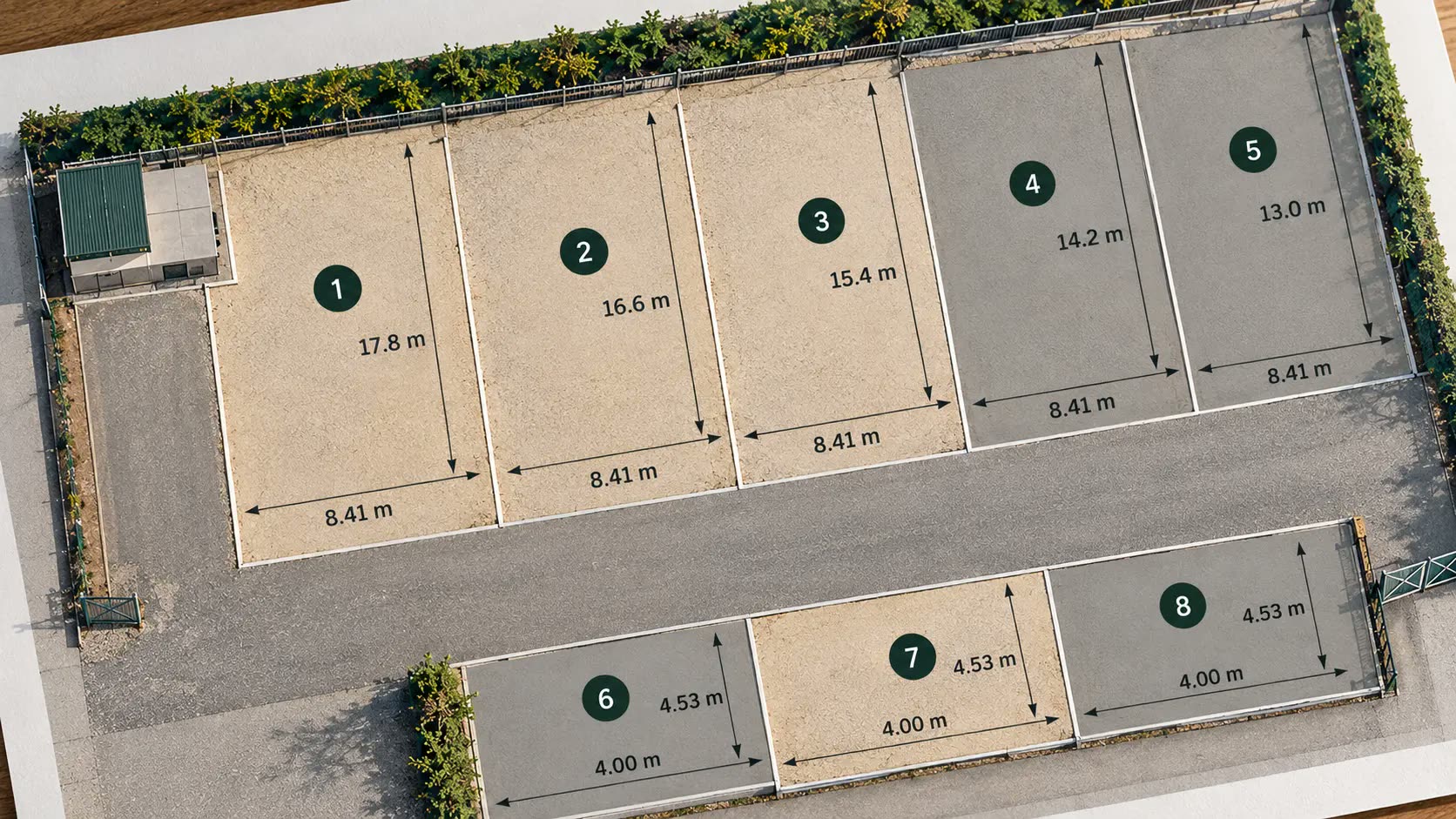
At York Storage, drive-up 20ft x 8ft x 8ft containers (160 sq ft) are available at The Old Station Works, Station Lane, Shipton by Beningbrough, York YO30 1BS for £140 per month, with a 2 month minimum stay. The site offers 24/7 access, monitored CCTV, concealed lock boxes and the ability to drive straight up to your container door.
It is also worth considering whether your storage needs might change over time. A trade business that starts with one container of stock may well need a second one, or additional commercial yard space, as it grows. Choosing a provider that can flexibly offer both container units and yard space, such as York Storage, means you are not forced to move everything to a new site as your requirements evolve.
Practical checklist before you book
Before committing to a drive-up container, run through this checklist to make sure the space and arrangement will work for you.
- Measure your largest items to confirm they will physically fit through the container door and inside the space
- Decide on your likely rental length and check it matches the provider's minimum term
- Plan your loading order so heavier and less-needed items go in first
- Arrange protective wrapping or covers for furniture and fragile items
- Check the site's access hours against when you are likely to want to visit
- Confirm the container's ventilation and insulation features if you are storing for more than a few weeks
- Have a contact number for the provider in case you have questions once your belongings are in storage
Frequently asked questions
What size is a drive-up storage container?
Drive-up containers are commonly available in sizes such as 10ft or 20ft in length. At York Storage, drive-up containers measure 20ft x 8ft x 8ft, giving a floor area of 160 sq ft, which suits anything from a few rooms of furniture to trade stock and equipment.
Is drive-up container storage cheaper than indoor self storage?
It is often cheaper per square foot because containers are less costly to install and run than a purpose-built indoor facility. The UK self storage industry average rental return is around £26.23 per sq ft per year, while container-based pricing, such as York Storage's £140 per month for 160 sq ft, can work out significantly lower.
Can I access my container whenever I want?
This depends on the provider. York Storage offers 24/7 access to its drive-up containers, so you can load or collect items at a time that suits you, day or night.
Do storage containers get damp or suffer from condensation?
Condensation can occur in any sealed metal container if temperatures fluctuate. Choosing a container that is vented and has an insulated roof, as with York Storage's units, helps reduce this risk, and simple steps like using pallets and leaving air gaps around stacked items further help.
Is a container secure enough for valuable items?
Drive-up containers can be a secure option when the site has features such as monitored CCTV and concealed lock boxes, both of which are in place at York Storage. For particularly high-value items, ask the provider about the specific security measures on site before booking.
What is the minimum rental period for a container?
Minimum terms vary by provider. York Storage's drive-up containers have a 2 month minimum rental period, so it is worth confirming this matches how long you expect to need the space.
Can I store a vehicle or trailer in a drive-up container?
Standard drive-up containers are generally designed for household items, tools, stock and equipment rather than vehicles, which usually need open yard or dedicated vehicle storage space. If you need to store a vehicle or trailer, ask the provider whether commercial yard space, such as that available from York Storage, is more appropriate.
What items are not allowed in storage containers?
As a general industry rule, flammable or hazardous substances, perishable goods, live animals and illegal items are not permitted in any storage container or unit. Rules can vary by provider, so always ask us if you are unsure whether a particular item is suitable.
How much does drive-up container storage cost per month?
Costs vary by size, location and provider, but as a guide, York Storage charges £140 per month for a 20ft x 8ft x 8ft drive-up container (160 sq ft), with a 2 month minimum stay.
How popular is container storage in the UK?
Container-based storage is now a well-established part of the UK self storage market, with around 37% of UK self storage stores classed as container-based according to the SSA UK Annual Industry Report.
Is commercial yard space available alongside containers?
Yes, some providers offer both. York Storage, for example, offers commercial yard space from £250 per month, subject to permitted use, alongside its drive-up containers.
How do I load a container efficiently?
Plan your load before you arrive, dismantle large furniture where possible, load heavy items first towards the back, and keep items you will need sooner nearer the door. Leaving a narrow aisle can also help if you expect to need access during your storage period.
Where is York Storage located?
York Storage is based at The Old Station Works, Station Lane, Shipton by Beningbrough, York YO30 1BS. You can contact them on 07561 446076 to discuss container or yard space availability.
Need storage or yard space near York?
Drive-up containers from £140 per month and commercial yard space from £250 per month at Shipton by Beningbrough.