Key takeaways
- Look beyond price alone - security, ventilation and access hours matter as much as the monthly rate.
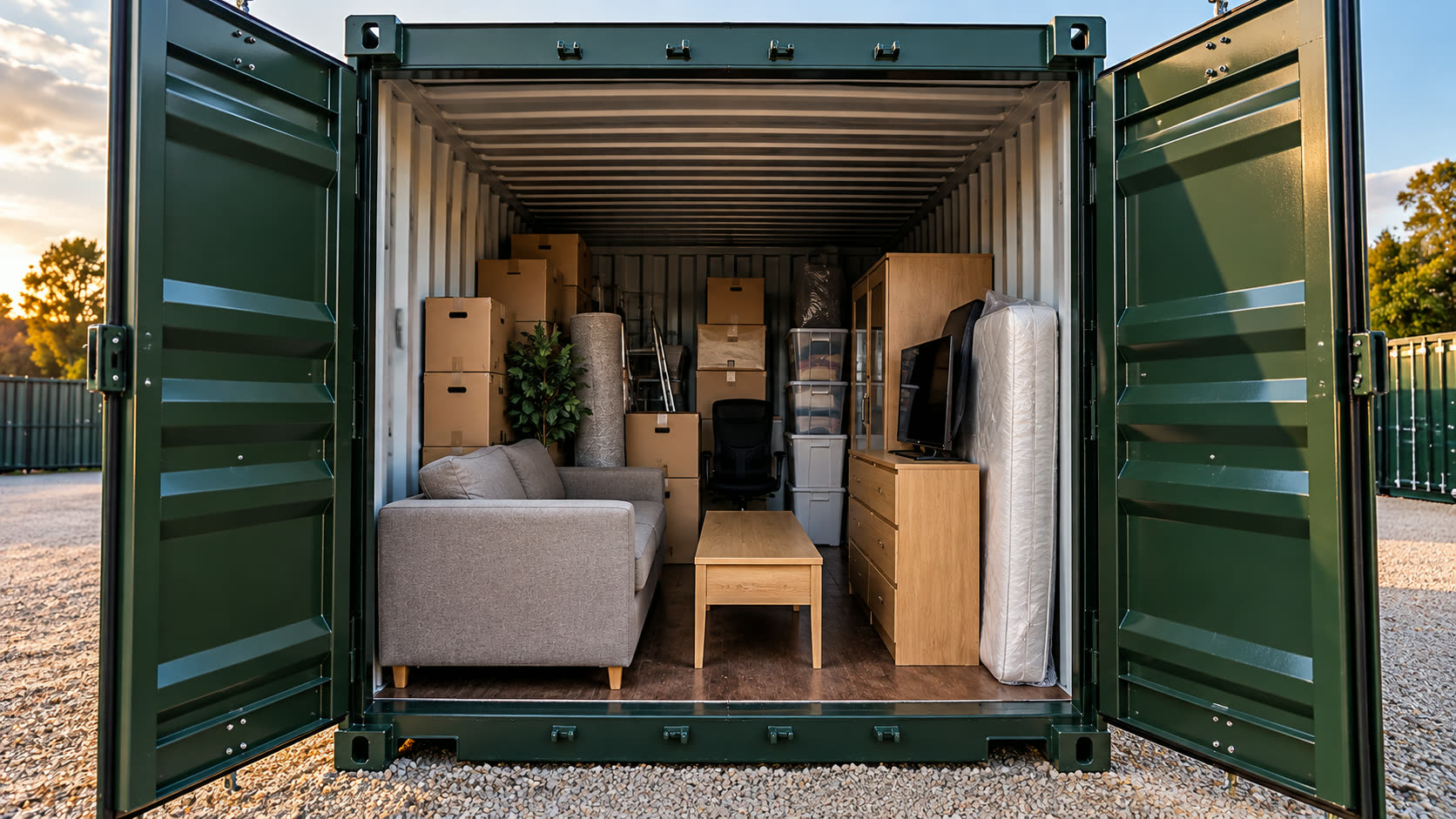
- Drive-up containers with insulated, vented roofs help reduce condensation risk for household and business goods.
- Always compare like-for-like: unit size, minimum term, and what is included, not just the headline figure.
- Ask to visit the site in person and check CCTV coverage, lock security and access arrangements before booking.
- UK occupancy and rental data show demand for storage remains strong, so book ahead where possible.
Why security should be your starting point
Before comparing prices, it is worth establishing what security actually looks like at a storage site. Anyone can advertise space to store your belongings, but the sites worth using are the ones that have thought carefully about how goods are protected day to day, not just when a sales call is answering questions.
The UK self storage industry has grown steadily, and demand remains high. The SSA UK Annual Industry Report found UK industry turnover reached £1.08 billion, with occupancy at 77.5% overall across surveyed operators 1. With that level of demand, good sites can fill up, so it pays to know what to look for and to move quickly once you find somewhere suitable.
- Is the site monitored by CCTV, and is that cover continuous rather than occasional?
- Are individual units secured with their own lock, or only a shared perimeter gate?
- Can you see or reach your unit easily, or is it hidden away down unlit routes?
- Is the lock itself exposed, or protected from tampering and the weather?
It is also worth thinking about what you cannot easily see from a sales page or website. A short visit, or even a phone conversation with the person who actually manages the site day to day, tends to reveal far more than marketing copy. Ask direct questions about how often the site is checked, whether CCTV footage is actively monitored or simply recorded, and how the operator would respond if something looked wrong on site. A confident, specific answer is usually a good sign, whereas vague reassurance is worth probing further.
Security is not just about preventing theft either. A well-run site also protects your belongings from accidental damage, whether that is from other customers reversing vehicles, poor lighting causing trip hazards, or simply a cluttered yard that makes manoeuvring difficult. Taking the time to walk around a site before booking gives you a genuine feel for how carefully it is run.
Access: when and how you can reach your belongings
Access arrangements vary a lot between storage providers. Some restrict access to office hours only, which can be frustrating if you need to collect trade stock early, drop off furniture after work, or simply prefer flexibility. Others operate on a 24/7 basis, which suits businesses and households with unpredictable schedules.
What to check about access before booking
- Confirm whether access is genuinely round-the-clock or limited to set hours.
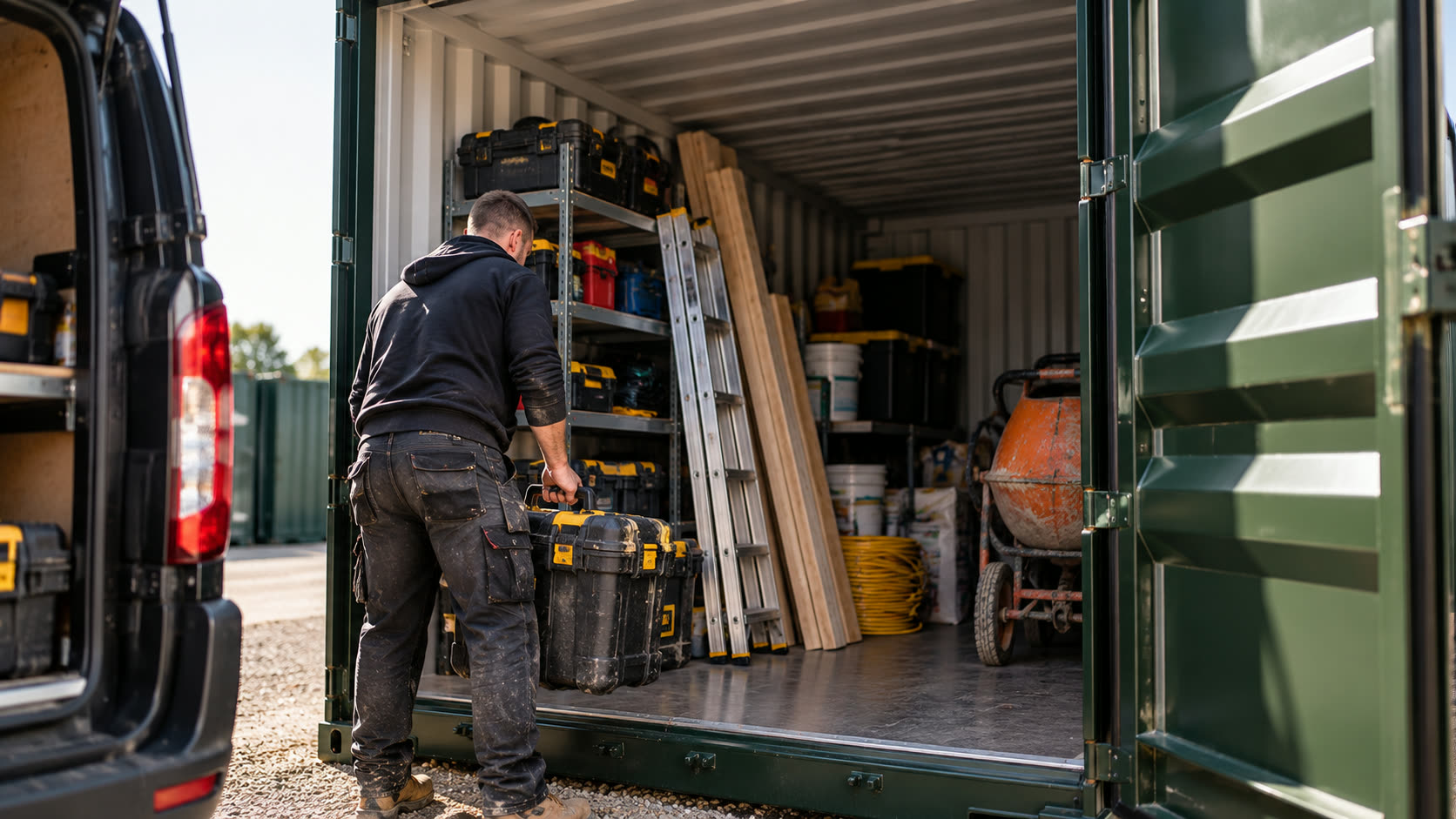
- Ask whether you can drive a vehicle directly to your unit, or whether you need to use trolleys over distance.
- Check if there are restrictions on vehicle size for loading and unloading.
- Ask how entry is managed out of hours and who to contact if you have an access issue.
Flexible access matters more than people often expect when they first start comparing storage options. Plans change, deliveries arrive at awkward times, and trade customers in particular often need to load or unload outside a typical nine-to-five window. A site with restrictive hours can end up costing you time and inconvenience that outweighs any saving on the monthly rate, so it is worth weighing this up carefully rather than treating access as a minor detail.
Location and convenience
Location affects how often you will realistically use your storage unit. A site that is a long detour from your regular route will get visited less often, which is fine for long-term archiving but less practical if you need frequent access to stock or equipment.
Think about how the site fits your actual routine: is it on the way to work, close to home, or easy to reach from a main road? Also consider whether the site has enough space to turn a vehicle and load comfortably, particularly if you are moving larger items such as furniture, tools or pallets.
It is also worth considering how a site fits into the wider area around it. A rural or semi-rural location just outside the city can be a practical choice, often combining easier road access and parking with a quieter, less congested setting than a town centre unit. For many households and local businesses in and around York, a short drive out to a dedicated storage yard is a fair trade-off for the extra space and flexibility on offer.
Indoor units vs drive-up containers
Self storage broadly splits into two formats: indoor units, usually accessed via internal corridors or lifts inside a larger building, and drive-up containers, where you park directly next to your own storage unit outdoors. Each has trade-offs worth understanding.
| Factor | Indoor units | Drive-up containers |
|---|---|---|
| Loading convenience | Often requires trolleys and corridors | Park and load directly at the door |
| Climate stability | Can offer more consistent indoor temperature | Depends on build quality and ventilation |
| Access style | Usually through a shared building entrance | Independent, direct access to your unit |
| Typical use case | Smaller household items, document storage | Furniture, trade stock, tools, bulky goods |
Industry data shows containers now make up a meaningful share of UK self storage supply, with 37% of stores reported as container based in the latest SSA UK figures 2. This reflects their practicality for straightforward, direct-access storage.
Neither format is universally better - the right choice depends on what you are storing and how often you need to reach it. Someone storing seasonal items they rarely touch might be happy with an indoor unit tucked away in a larger building, while a tradesperson moving tools and materials in and out regularly will usually find a drive-up container far more practical. Think honestly about how you will actually use the space, not just how it looks on paper, before making a decision.
Condensation, damp and protecting your belongings
Condensation is one of the most common complaints about container storage, particularly with cheaper or older units. Warm, moist air inside a sealed metal box can condense on cold surfaces, especially the roof, which can drip onto stored items over time. This is a genuine risk worth asking about directly rather than assuming all containers are the same.
What reduces condensation risk
- Ventilation that allows a degree of air movement rather than a fully sealed box.
- Insulated roof panels, which reduce the temperature difference that causes condensation to form.
- Avoiding storing wet items, and leaving some space around boxes for air to circulate.
- Using pallets or boards to keep items off the floor of the unit.
It is a good habit to ask any storage provider directly how their units are built, rather than assuming all containers perform the same way. Basic, unmodified shipping containers with no ventilation or insulation are far more prone to a build-up of moisture inside, particularly through seasonal temperature swings between summer and winter. Features such as roof vents and insulated panels are a relatively small addition that can make a meaningful difference to how your belongings fare over months of storage.
Contracts and minimum terms
Contract terms can catch people out, particularly minimum stay periods and notice requirements. Before signing anything, make sure you understand exactly how long you are committing to and what happens if your needs change sooner than expected.
- Ask what the minimum term is and whether it applies from your move-in date.
- Check how much notice you need to give before ending the agreement.
- Understand whether the rate is fixed for the minimum term or can change.
- Clarify what is included in the quoted price and what, if anything, is extra.
Reading the terms before you commit is especially important if you think your storage needs might change. If there is a reasonable chance you will need the space for only a short period, make sure the minimum term fits that timeline rather than tying you in for longer than necessary. On the other hand, if you expect to need storage for an extended period, it is worth asking whether the rate is likely to remain stable, so you can budget with confidence.
Insurance: a general consideration
Whatever storage provider you choose, it is worth thinking about how your belongings would be covered if something unexpected happened - whether that is damage, theft or another incident. Some people find their existing home contents insurance extends to cover goods in storage, while others arrange separate cover specifically for stored items.
It is sensible to check the details of any existing policy before assuming it applies, and to ask your storage provider what they can tell you about insurance options for your specific situation.
Taking a few minutes to think about insurance before you move items into storage is far easier than dealing with an unexpected gap in cover after something has gone wrong. If you are storing particularly valuable or irreplaceable items, it is worth being extra thorough in checking exactly what any policy does and does not cover, including limits on individual item values and any exclusions that might apply to goods kept in a storage unit rather than at home.
How to compare storage prices properly
Comparing storage prices is not always as simple as looking at the headline monthly figure. Unit sizes, minimum terms, access hours and what is included can all vary, so a lower price is not automatically better value.
A simple comparison method
- Work out the price per square foot (or per cubic foot) so you are comparing equivalent space.
- Factor in the minimum term - a longer commitment may or may not suit your situation.
- Check whether 24/7 access, CCTV and drive-up loading are included as standard or cost extra.
- Ask whether the rate shown is the ongoing rate or an introductory offer that changes later.
These figures show a market with strong demand and rising rates, which is part of why comparing value - not just the cheapest headline price - matters when choosing a unit 3.
It can also help to think about the total cost over your expected storage period, rather than just the monthly figure in isolation. A slightly higher monthly rate that includes genuine 24/7 access, monitored CCTV and features that help protect your belongings from damp may represent better overall value than a cheaper unit that leaves you facing additional costs, inconvenience, or risk to your items further down the line.
Questions to ask when you visit a site
Visiting a storage site in person before committing is one of the best ways to avoid surprises. A short visit tells you far more than a website or phone call ever can, from how well-kept the yard is to how easy it actually is to manoeuvre a vehicle.
- What exact dimensions does the unit offer, and will my items genuinely fit with room to move around?
- Is access really 24/7, or are there restrictions I should know about?
- How is the unit secured, and is the lock protected from the weather and tampering?
- Is there CCTV covering this area of the site?
- What is the minimum term and how much notice do I need to give to leave?
- Is there anything other than the monthly rate I should budget for?
Final checklist before you book
Once you have visited a site and had your questions answered, it helps to run through a short checklist before committing to a unit. This keeps the decision practical and based on what you have actually seen and confirmed, rather than on a headline price alone.
- Security: CCTV coverage and a properly protected lock.
- Access: hours that suit how often you need to reach your belongings.
- Location: realistic to reach regularly, with room to load and unload.
- Unit type: drive-up container or indoor unit, based on what you are storing.
- Condensation protection: ventilation and roof insulation if storing in a container.
- Contract: minimum term and notice period you are comfortable with.
- Insurance: whether you need to arrange separate cover.
- Price: compared fairly against size and what is included, not just the headline figure.
Frequently asked questions
Is container storage secure enough for valuable items?
Security depends on the specific site rather than the format itself. Look for monitored CCTV, a protected lock, and controlled access. At York Storage, containers are covered by monitored CCTV and fitted with concealed lock boxes to protect the padlock from tampering.
What size container does York Storage offer?
York Storage offers drive-up 20ft x 8ft x 8ft containers at £140 per month, with a 2 month minimum term. This gives a practical amount of space for household moves, furniture, tools or trade stock.
Can I access my unit at any time?
Yes, York Storage provides 24/7 access, and you can drive straight up to the door of your container rather than working around set office hours.
Will my belongings get damp inside a storage container?
Condensation is a genuine risk with poorly built or unventilated containers. York Storage containers are vented and fitted with insulated roofs to help prevent condensation, offering better protection than a sealed, uninsulated box.
What is the minimum rental period?
The minimum term for a container at York Storage is 2 months. If your needs are different, such as for commercial yard space, ask us and we can talk through what might suit you.
Do I need insurance for my stored belongings?
It is worth checking whether your existing home contents insurance extends to goods in storage, or whether you need separate cover. If you have questions about insuring your items with York Storage, ask us.
Where is York Storage located?
York Storage is based at The Old Station Works, Station Lane, Shipton by Beningbrough, York YO30 1BS, with room on site to manoeuvre a vehicle and drive directly up to your container.
Is indoor storage better than a drive-up container?
It depends on what you are storing and how you need to access it. Indoor units can offer a more enclosed environment, while drive-up containers let you park and load directly at the door, which suits bulkier or frequent loading needs.
How do I compare storage prices fairly?
Work out the price per square foot so you are comparing equivalent space, and check the minimum term, access hours and what is included, such as CCTV or drive-up loading, rather than only comparing the headline monthly price.
Does York Storage offer space for businesses, not just households?
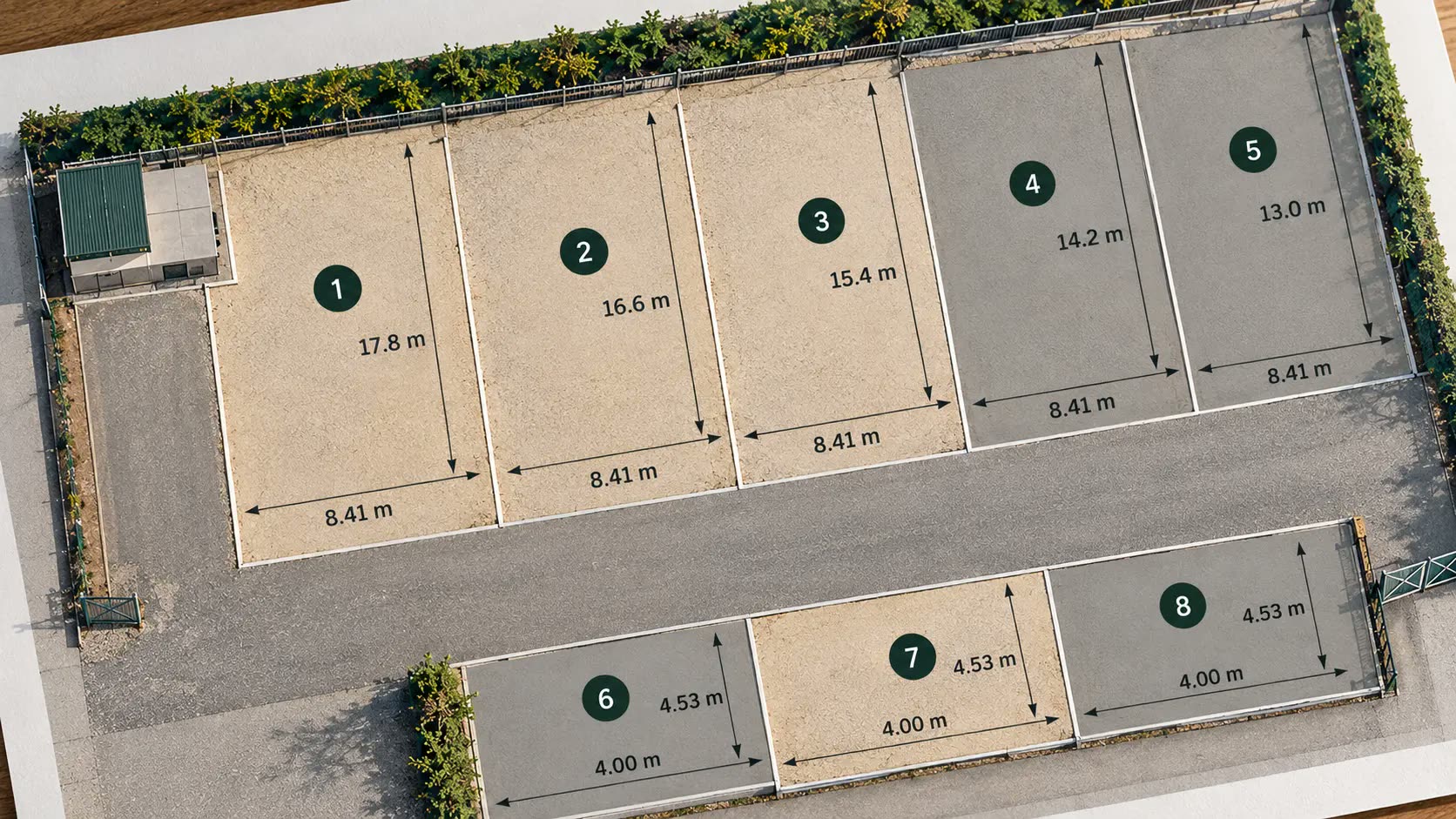
Yes, alongside containers for general storage, York Storage offers commercial yard space from £250 per month, subject to permitted use. Call 07561 446076 to discuss your requirements.
Can I visit the site before booking a unit?
Yes, visiting in person is a good way to check security, access and condition before committing. You can visit York Storage at The Old Station Works, Station Lane, Shipton by Beningbrough, York YO30 1BS, or call 07561 446076 to arrange a visit.
What should I ask before signing a storage contract?
Ask about the minimum term, notice period, exactly what is included in the price, access hours, and how the unit is secured. Clarifying these points before you sign helps avoid surprises later.
Is self storage demand high in the UK right now?
Yes, the SSA UK Annual Industry Report found UK industry turnover reached £1.08 billion with average occupancy of 77.5%, reflecting consistently strong demand for storage space across the country.
How do I contact York Storage?
You can call York Storage on 07561 446076, or visit us at The Old Station Works, Station Lane, Shipton by Beningbrough, York YO30 1BS, to discuss container or commercial yard space options.
Need storage or yard space near York?
Drive-up containers from £140 per month and commercial yard space from £250 per month at Shipton by Beningbrough.